

Magnetic Particle Inspection (MPI) Equipment & Consumables

Introduction

images (2)

Magnetic Particle Inspection (MPI) is a reliable non-destructive testing method used to detect surface and near-surface defects in ferromagnetic materials. Industronic Engineering provides professional magnetic particle inspection solutions to identify cracks, discontinuities, and flaws in critical components, welds, and fabricated structures.

Our MPI services help industries maintain quality standards, improve safety, and ensure components comply with inspection requirements without damaging the tested material.

What is Magnetic Particle Inspection?

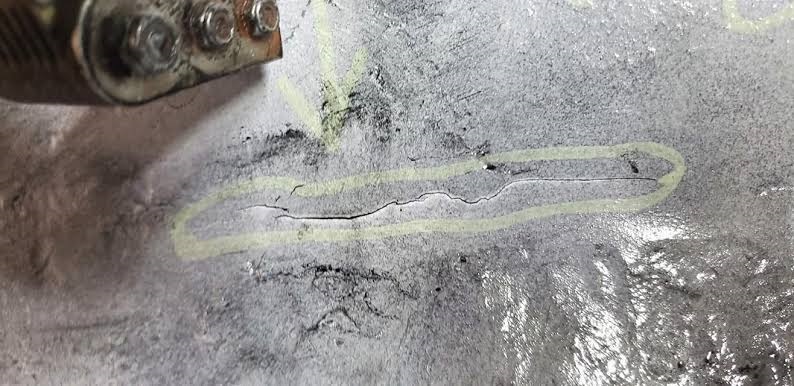
Magnetic Particle Inspection is a non-destructive testing (NDT) technique used to locate surface and slightly subsurface defects in ferromagnetic materials such as steel and iron. During the inspection process, the component is magnetised and magnetic particles are applied to the surface. Any discontinuities interrupt the magnetic field, causing the particles to gather around defect areas, making cracks and imperfections visible.

Comprehensive Magnetic Flaw Detection Solutions

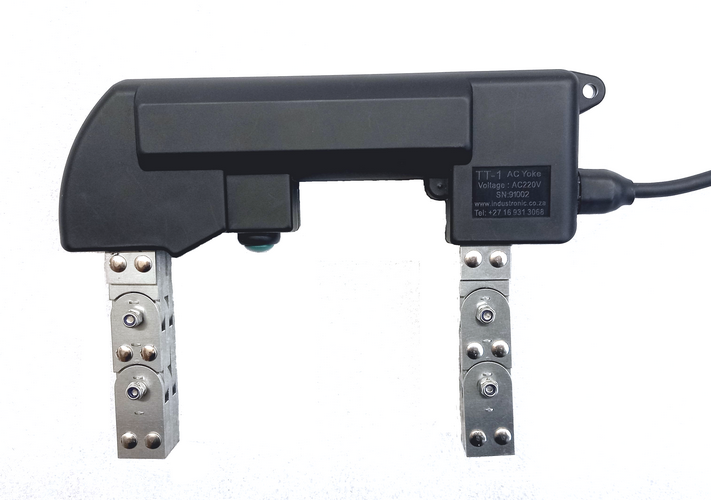
Electromagnetic Yoke

Electromagnetic yokes are portable magnetic particle inspection devices used to create a magnetic field for detecting surface and near-surface defects in ferromagnetic materials. Ideal for weld inspections, fabrication checks, and maintenance applications, these compact and reliable tools provide accurate defect detection in various industrial environments.

yoke picture

Consumables

Industronic Engineering supplies high-quality magnetic particle inspection consumables designed to improve defect visibility and inspection accuracy. Our range includes contrast paints, magnetic particles, and inspection accessories used in professional NDT applications. Products such as White Contrast Paint assist inspectors in creating clear indications for reliable surface defect detection across various industrial components.

How Does Magnetic Particle Inspection Work?

The MPI process typically involves:
1. Surface PreparationThe inspection area is cleaned to remove contaminants that could affect results.
2. MagnetisationA magnetic field is applied to the component using suitable inspection equipment.
3. Application of Magnetic ParticlesMagnetic particles are applied either dry or suspended in a liquid carrier.
4. Defect DetectionSurface and near-surface discontinuities attract the particles, creating visible indications.5. Evaluation and ReportingInspection results are analysed and documented according to applicable standards. 

Advantages of Magnetic Particle Inspection

Magnetic Particle Inspection offers several benefits:
✔ Detects small surface cracks and defects
✔ Suitable for complex component shapes
✔ Fast inspection method
✔ Requires minimal surface preparation
✔ Provides immediate defect indications
✔ Does not damage the inspected component

Industries Using Magnetic Particle Inspection

MPI is widely used in industries where component reliability and safety are critical:

  • Engineering and manufacturing
  • Mining
  • Petrochemical
  • Power generation
  • Automotive
  • Construction
  • Fabrication industries

Why Choose Industronic Engineering for Magnetic Particle Inspection?

Industronic Engineering delivers professional NDT inspection solutions focused on accuracy, reliability, and quality assurance.

Our inspection approach helps clients:

  • Identify defects before failures occur
  • Improve equipment reliability
  • Maintain safety standards
  • Support compliance requirements
  • Reduce costly downtime

Frequently Asked Questions

What materials can be inspected using magnetic particle testing?

Magnetic Particle Inspection is suitable for ferromagnetic materials such as iron, carbon steel, and certain alloys.

Can MPI detect internal defects?

MPI is mainly used for surface and near-surface defect detection. Other NDT methods may be required for deeper internal flaws.

Is magnetic particle inspection destructive?

No. MPI is a non-destructive testing method and does not damage the inspected component.

What defects can MPI detect?

MPI can detect cracks, laps, seams, weld defects, and other surface discontinuities.

Ready to Innovate?​

Contact us today to discuss how our engineering solutions can elevate your industrial operations and meet your needs.

Scroll to Top