
Dye Penetrant Inspection Products
Introduction
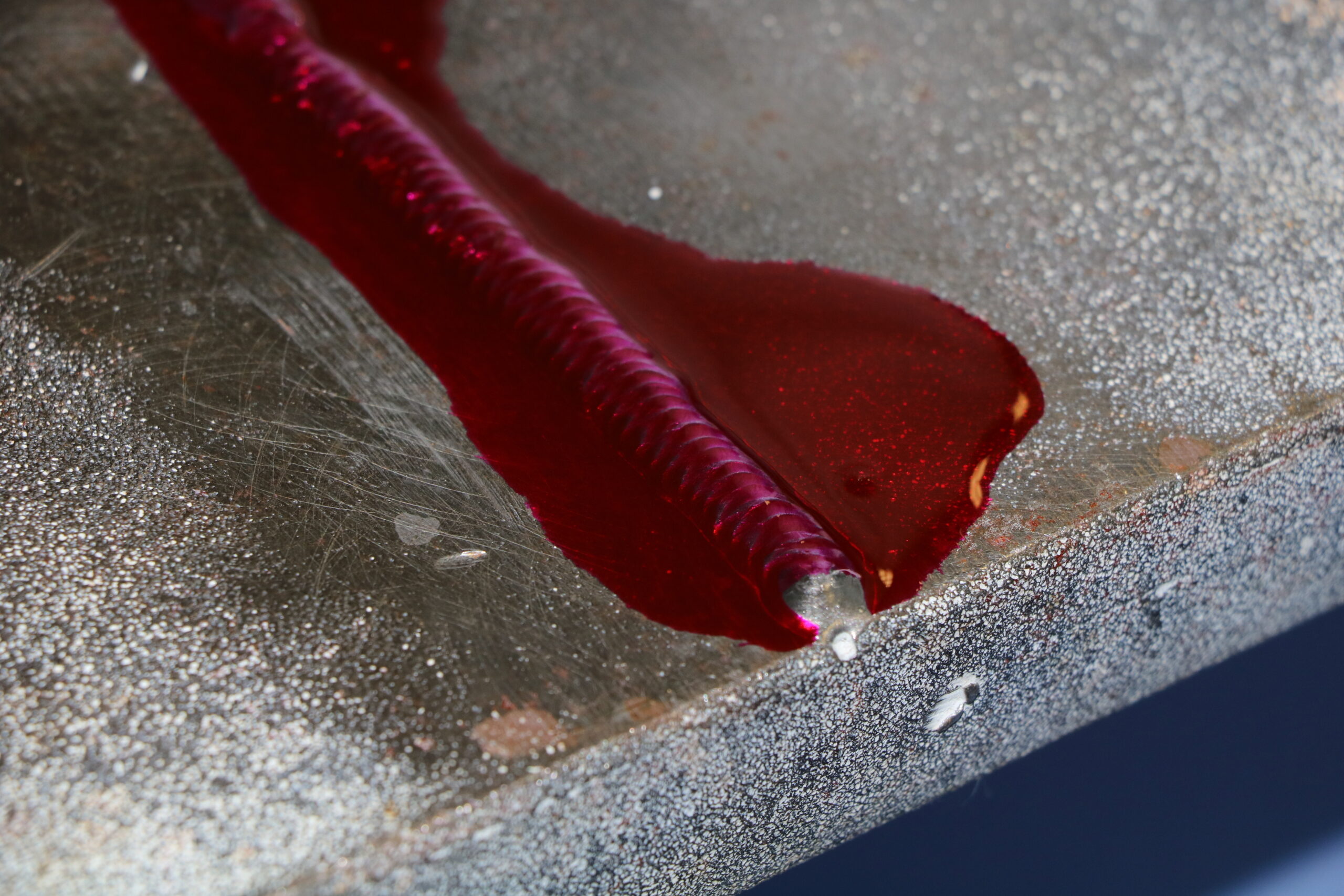
Dye Penetrant Inspection (DPI), also known as Liquid Penetrant Inspection (LPI), is a widely used non-destructive testing (NDT) method for detecting surface-breaking defects in both ferrous and non-ferrous materials. It is a simple, reliable, and cost-effective inspection technique that helps identify cracks, porosity, laps, seams, and other surface discontinuities without causing damage to the test component.
Industronic supplies high-quality Dye Penetrant Inspection products designed to deliver accurate, reliable, and repeatable inspection results across a wide range of industrial applications.
What is Dye Penetrant Inspection?
Dye Penetrant Inspection works by applying a specially formulated penetrant to the surface of a component. The penetrant enters any surface-breaking defects through capillary action. After the excess penetrant is removed, a developer is applied to draw the penetrant back to the surface, making defects clearly visible under either visible or ultraviolet (UV-A) light, depending on the inspection process. This inspection method is suitable for both magnetic and non-magnetic materials, making it one of the most versatile NDT techniques available.
Dye Penetrant Inspection Products
Industronic Dye Penetrant Inspection (DPI), also known as Liquid Penetrant Inspection (LPI), is a widely used non-destructive testing (NDT) method for detecting surface-breaking defects in both ferrous and non-ferrous materials. Industronic Engineering supplies a comprehensive range of Dye Penetrant Inspection products, including ultraviolet inspection lights, penetrants, developers, cleaners, and specialised high-temperature inspection systems for demanding industrial applications.
Our products are trusted by inspection professionals across manufacturing, fabrication, mining, petrochemical, power generation, and engineering industries where accurate defect detection is essential.
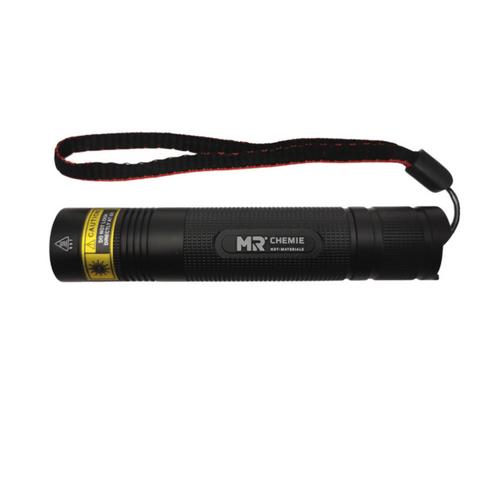
Ultraviolet Inspection Torches
Professional UV LED inspection torches provide the ultraviolet illumination required for fluorescent dye penetrant inspections. Designed for portability, reliability …
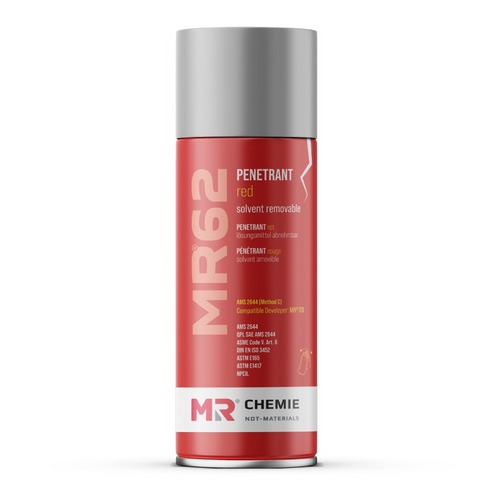
Dye Penetrant Inspection Consumables
Industronic supplies a complete range of dye penetrant consumables, including penetrants, developers, and removers for visible and fluorescent inspection methods.
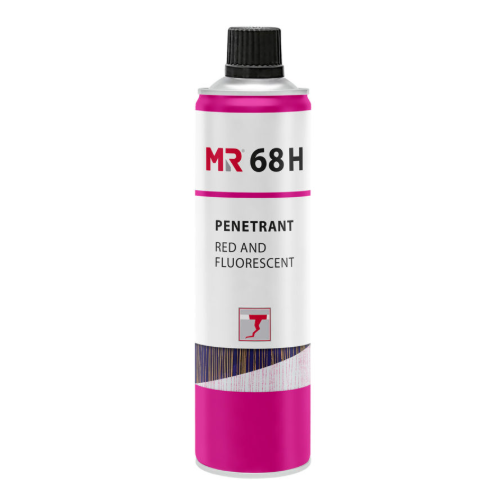
High-Temperature Dye Penetrant Testing (Up to 200°C)
For inspections where components remain at elevated temperatures, Industronic supplies specialised high-temperature dye penetrant testing products
How Does Magnetic Particle Inspection Work?
The MPI process typically involves:
1. Surface PreparationThe inspection area is cleaned to remove contaminants that could affect results.
2. MagnetisationA magnetic field is applied to the component using suitable inspection equipment.
3. Application of Magnetic ParticlesMagnetic particles are applied either dry or suspended in a liquid carrier.
4. Defect DetectionSurface and near-surface discontinuities attract the particles, creating visible indications.5. Evaluation and ReportingInspection results are analysed and documented according to applicable standards.
Advantages of Magnetic Particle Inspection
Magnetic Particle Inspection offers several benefits:
✔ Detects small surface cracks and defects
✔ Suitable for complex component shapes
✔ Fast inspection method
✔ Requires minimal surface preparation
✔ Provides immediate defect indications
✔ Does not damage the inspected component
Industries Using Magnetic Particle Inspection
MPI is widely used in industries where component reliability and safety are critical:
- Engineering and manufacturing
- Mining
- Petrochemical
- Power generation
- Automotive
- Construction
- Fabrication industries
Why Choose Industronic Engineering for Magnetic Particle Inspection?
Industronic delivers professional NDT inspection solutions focused on accuracy, reliability, and quality assurance.
Our inspection approach helps clients:
- Identify defects before failures occur
- Improve equipment reliability
- Maintain safety standards
- Support compliance requirements
- Reduce costly downtime
Frequently Asked Questions
What materials can be inspected using magnetic particle testing?
Magnetic Particle Inspection is suitable for ferromagnetic materials such as iron, carbon steel, and certain alloys.
Can MPI detect internal defects?
MPI is mainly used for surface and near-surface defect detection. Other NDT methods may be required for deeper internal flaws.
Is magnetic particle inspection destructive?
No. MPI is a non-destructive testing method and does not damage the inspected component.
What defects can MPI detect?
MPI can detect cracks, laps, seams, weld defects, and other surface discontinuities.
Ready to Innovate?
Contact us today to discuss how our engineering solutions can elevate your industrial operations and meet your needs.